
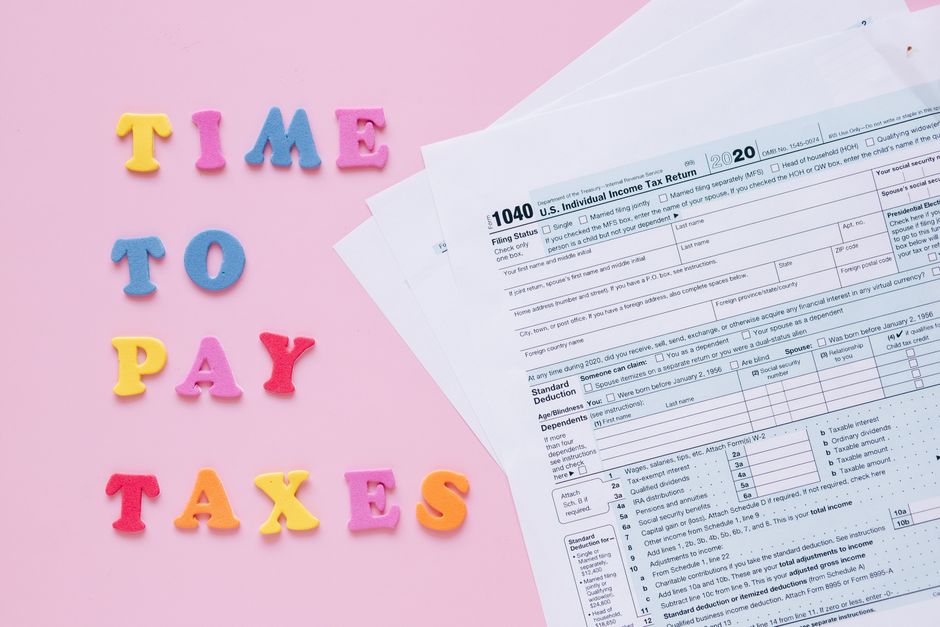
- The IRS and Treasury Department jointly issued new guidance proposing a simpler, electronic-friendly process for retirement plan rollovers to IRAs
- Congress’s rollback of clean energy tax credits has not eliminated fossil fuel subsidies, which continue largely intact per the Tax Law Center
- A new poll finds most parents support school-choice tax credits, yet very few are aware such credits exist
Today’s tax news cycle is dominated by a trio of significant policy shifts: the IRS rolling out long-awaited simplification of retirement rollover procedures, a revealing asymmetry in how energy tax policy has been unwound, and a surprising gap in public awareness around education tax benefits. For everyday investors, retirement savers, and families, these developments carry practical implications worth understanding before year-end planning begins.
Table of Contents
Today’s Top News: 5 Updates (August 14, 2026)
1. IRS Clarifies the Rules Governing Rollovers Between Retirement Plans and IRAs
What happened:
The IRS issued formal guidance addressing the rules that apply when funds are rolled over between employer-sponsored retirement plans and Individual Retirement Accounts (IRAs). The guidance, covered by The Tax Adviser, aims to clarify ambiguities that have long created compliance headaches for plan administrators and individual savers alike. The publication date of August 12, 2026, positions this as part of a broader regulatory push the agency has accelerated this summer.
Key numbers:
- Publication date: August 12, 2026
- Affected accounts: Employer-sponsored retirement plans and IRAs (both traditional and potentially Roth structures)
Why it matters:
Rollover mistakes are among the most costly errors retirement savers can make — a missed deadline or procedural misstep can result in a distribution being treated as ordinary taxable income, potentially triggering a 10% early withdrawal penalty on top of regular income taxes. Clear IRS guidance could significantly reduce unintentional tax consequences for the millions of Americans changing jobs or consolidating retirement accounts. Plan sponsors and HR departments may also benefit, as ambiguous rules have historically led to inconsistent plan administration. While the full details of the guidance require review by a qualified tax professional, the signal from the IRS is one of increasing attention to retirement account mobility.
📎 Source: The Tax Adviser via Google News | Published: August 12, 2026
2. IRS Proposes Simpler Process for Retirement Rollovers
What happened:
Plansponsor reported on August 13, 2026, that the IRS has formally proposed streamlining the retirement rollover process, making it more straightforward for plan participants to move funds without falling into procedural traps. This proposal is closely related to the guidance issued the previous day and appears to be part of a coordinated agency effort to modernize retirement portability rules.
Key numbers:
- Proposal announced: August 13, 2026
- Scope: Retirement plan-to-IRA and plan-to-plan rollovers
Why it matters:
Simplification of rollover procedures is particularly relevant in today’s job market, where workers change employers more frequently than in previous generations. Complex rollover rules have long been cited as a barrier that causes “retirement savings leakage” — the tendency of workers to cash out retirement accounts rather than roll them over when leaving a job. A simpler process could encourage greater preservation of retirement assets. For plan sponsors, clearer rules may reduce fiduciary liability concerns. It is worth noting that “proposed” guidance is not yet final, meaning plan administrators and individuals should consult their advisers before making changes based solely on the proposal.
📎 Source: Plansponsor via Google News | Published: August 13, 2026
3. Treasury Department and IRS Issue Guidance on Electronic Rollovers
What happened:
401k Specialist reported on August 13, 2026, that the Treasury Department and IRS jointly issued dedicated guidance on electronic rollovers — addressing the growing reality that most retirement account transactions now occur digitally rather than through paper processes. This is the third piece of rollover-related guidance released within a 48-hour window, signaling a deliberate, coordinated regulatory initiative.
Key numbers:
- Guidance issued: August 13, 2026
- Joint issuing agencies: U.S. Treasury Department and IRS
Why it matters:
The explicit focus on electronic rollovers is arguably the most forward-looking aspect of this week’s regulatory flurry. As fintech platforms, robo-advisors, and digital brokerage accounts become the primary interface for retirement savings, rules designed for paper-based transfers have created friction and compliance uncertainty. Formal electronic rollover guidance could potentially unlock faster, more seamless account portability — a development that would benefit both savers and the growing ecosystem of digital retirement platforms. It may also level the playing field between traditional recordkeepers and newer technology-driven providers. Readers who manage their retirement accounts through online platforms should watch for updated guidance from their providers in response to this Treasury-IRS action.
📎 Source: 401k Specialist via Google News | Published: August 13, 2026
4. Fossil Fuel Tax Subsidies Persist Even as Clean Energy Credits Are Scaled Back
What happened:
The Tax Law Center reported on August 13, 2026, that despite Congress scaling back clean energy tax credits — presumably as part of recent legislative changes — fossil fuel tax subsidies have continued largely unaffected. This asymmetric treatment of energy-sector tax benefits is drawing renewed scrutiny from policy analysts and tax law observers.
Key numbers:
- Report date: August 13, 2026
- Source institution: Tax Law Center
Why it matters:
This story highlights a significant and potentially politically charged imbalance in the U.S. tax code. When clean energy incentives are curtailed while legacy fossil fuel subsidies remain intact, it could have meaningful implications for energy investment decisions, corporate tax planning in the sector, and longer-term climate policy goals. For investors and businesses in the energy space, understanding which tax incentives remain available — and which have been reduced — is now a critical planning consideration. The Tax Law Center’s analysis may also foreshadow future legislative or regulatory challenges to existing fossil fuel deductions. Individuals or businesses in the energy sector should consult a tax professional to assess how the current subsidy landscape affects their specific situation.
📎 Source: Tax Law Center via Google News | Published: August 13, 2026
5. Poll: Parents Back School-Choice Tax Credit but Most Have Never Heard of It
What happened:
According to a poll covered by Carolina Journal on August 14, 2026, a majority of parents surveyed expressed support for school-choice tax credits when the concept was explained to them — yet very few respondents had prior awareness that such a credit exists or is being considered. The gap between support and awareness is the central finding of the poll.
Key numbers:
- Poll result: Majority of parents support school-choice tax credit
- Awareness level: Only a small fraction had heard of the credit prior to the poll
Why it matters:
This awareness gap is significant for several reasons. First, it suggests that even popular tax benefits can fail to reach their intended beneficiaries if outreach is inadequate. Second, it underscores a recurring challenge in tax policy: the complexity and low visibility of available credits often means that eligible families leave money on the table. For families with school-age children, this is a timely reminder to investigate what education-related tax benefits may be available at the federal and state level. The poll could also signal growing bipartisan grassroots support for school-choice mechanisms, which may influence future legislative debates around education tax policy.
📎 Source: Carolina Journal via Google News | Published: August 14, 2026
Key Analysis — Why This Matters
1. Common Trend — A Summer of Tax Code Clarification:
Three of this week’s five stories relate directly to the IRS and Treasury taking deliberate steps to clarify and modernize retirement account rules. The concentrated release of rollover guidance — covering both procedural simplification and electronic transactions — within a 48-hour window strongly suggests a coordinated regulatory agenda. This kind of regulatory clustering often precedes a formal rulemaking period, meaning public comment opportunities may follow.
2. Market and Industry Impact:
The retirement services industry — including recordkeepers, plan administrators, fintech platforms, and IRA custodians — could see meaningful operational changes if the proposed electronic rollover rules are finalized. Simultaneously, energy sector companies should note that the asymmetric subsidy landscape (fossil fuels subsidized, clean energy credits reduced) may shift corporate tax strategy and capital allocation in ways that ripple through related industries, from utilities to infrastructure investment.
3. What to Watch:
Retirement savers should monitor their IRA custodians and 401(k) plan administrators for updated rollover procedures in response to the new Treasury-IRS guidance. Families should proactively research whether school-choice tax credits are available in their state or under proposed federal legislation — the awareness gap identified in the poll suggests many eligible families may currently be missing out. On the energy side, the Tax Law Center’s findings may signal upcoming legislative scrutiny of fossil fuel deductions worth tracking if you have exposure to that sector.
Affected Sectors
| Sector | Impact Level | Note |
|---|---|---|
| Retirement Services & Plan Administration | ⭐⭐⭐ | Direct impact from IRS/Treasury rollover guidance; operational changes likely |
| Fintech & Digital Retirement Platforms | ⭐⭐⭐ | Electronic rollover rules could reshape digital account portability features |
| Energy (Fossil Fuels) | ⭐⭐ | Subsidies intact but under increased policy scrutiny |
| Clean Energy / Renewables | ⭐⭐ | Scaled-back credits create investment uncertainty; monitoring recommended |
| Education / School Choice Advocates | ⭐⭐ | Growing poll support may accelerate legislative momentum |
| Individual Retirement Savers | ⭐⭐⭐ | Simpler rollover rules could reduce costly mistakes and leakage |
| Families with School-Age Children | ⭐⭐ | Awareness gap means potential benefits may be unclaimed |
Reader Checklist
- ✅ Retirement savers changing jobs: Review the new IRS rollover guidance (or ask your plan administrator) before initiating any rollover to ensure you follow the updated procedures
- ✅ 401(k) and IRA holders: Confirm whether your account custodian supports electronic rollovers and ask about any process updates following the Treasury-IRS guidance
- ✅ Parents with school-age children: Research whether a school-choice tax credit applies in your state or is available federally — don’t let an awareness gap cost you a benefit you’d support
- ✅ Energy sector investors or business owners: Have a tax professional audit which energy-related credits and deductions still apply under current law following the clean energy credit rollbacks
- ✅ HR and benefits administrators: Review your plan’s rollover procedures in light of the new IRS guidance to ensure continued compliance
- ⚠️ Caution: The IRS rollover simplification is currently in proposed form — do not restructure rollover procedures solely based on the proposal until final rules are published; consult a qualified CPA or ERISA attorney
Related Reading
- High-Yield Savings vs CDs: How to Choose (Beginner Guide)
- 529 College Savings Plans: Tax Benefits & Mistakes to Avoid
- AI Voice Wars, AMD vs Nvidia & Open-Source Integrity — July 2026
Frequently Asked Questions
Q. What does the new IRS rollover guidance actually change for someone rolling over a 401(k) to an IRA?
A. Based on the reported guidance, the IRS is proposing to simplify and clarify the procedural requirements for moving funds between retirement plans and IRAs, with a specific focus on making electronic rollovers more formally supported. In practice, this could mean fewer documentation hurdles and reduced risk of accidental taxable distribution. However, since full rule text details were not available in the news summaries, it is strongly recommended to consult a CPA or financial adviser before initiating any rollover under the new framework.
Q. Do fossil fuel companies still get tax subsidies even after clean energy credits were reduced?
A. According to reporting by the Tax Law Center, yes — fossil fuel tax subsidies have continued after Congress scaled back clean energy tax credits. This creates an asymmetric situation where legacy energy-sector tax benefits remain largely intact while newer clean energy incentives have been curtailed. The full scope and dollar value of remaining subsidies was not detailed in the available news summary, so business owners and investors in either sector should work with a tax professional to understand specific impacts on their situation.
Q. How can parents find out if a school-choice tax credit applies to them?
A. The poll reported by Carolina Journal found that while most parents support the concept of school-choice tax credits once explained, very few had prior awareness of them. School-choice tax benefits (such as education savings account programs or scholarship tax credits) vary significantly by state. To determine eligibility, parents should check their state’s department of revenue or education website, and consider consulting a CPA who specializes in education tax benefits. At the federal level, monitoring proposed legislation related to education tax credits is also advisable given the poll’s findings about growing grassroots support.
Disclaimer
This post is curated information from official press releases and major media outlets including The Tax Adviser, Plansponsor, 401k Specialist, Tax Law Center, and Carolina Journal.
- Not specific investment, tax, or legal advice — all scenarios discussed are general in nature
- Analysis reflects publicly available information at time of writing (August 14, 2026) and may change as proposed rules are finalized
- IRS proposals discussed herein are not yet final rules; consult qualified professionals before acting
- Always consult a licensed CPA, tax attorney, or ERISA specialist for decisions specific to your financial situation
- MoneyTechLab does not have an affiliation with any of the sources cited
✍️ Curated and analyzed by the MoneyTechLab editorial team | August 14, 2026 | Category: Tax Strategy
⚠️ Tax Information Notice
This post covers tax law news.
For tax decisions, consult official sources or tax professionals.
- 📞 IRS: 1-800-829-1040
- 🌐 IRS website: www.irs.gov
✍️ Written by
Credit Note
A finance and accounting practitioner with 20+ years of hands-on accounting
experience at a Korean credit rating agency. This post is a curated news summary
based on official press releases and major media coverage; all facts can be
verified through the source links.
Drafts are AI-assisted and human-reviewed before publishing.
📧 Questions: [email protected]
💌 Daily newsletter: Subscribe