
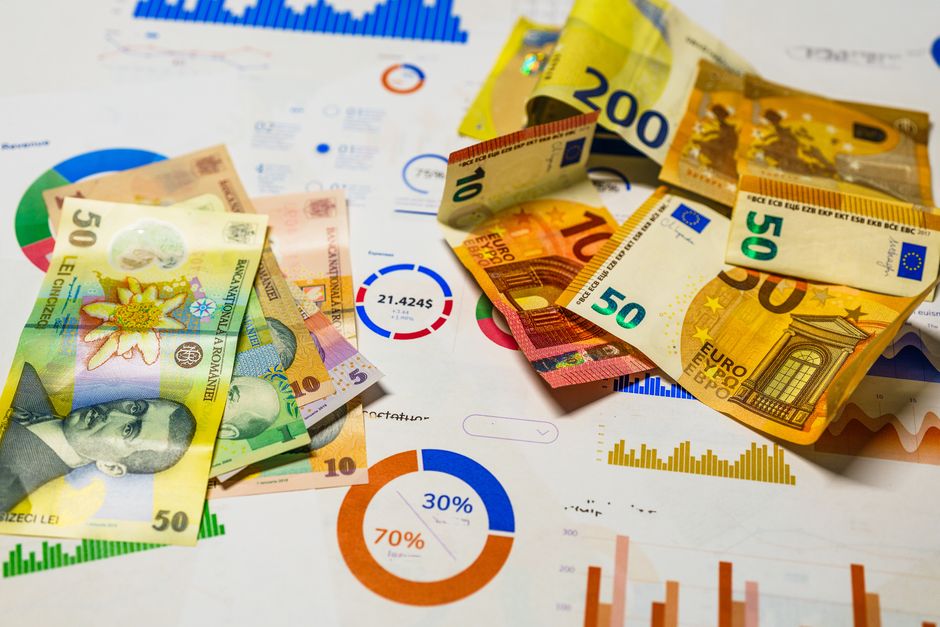
- The weaker-than-expected jobs report is reshaping Federal Reserve expectations
- Energy prices surged, adding a new inflation variable
- Fed actions and macro data now pull in different directions — worth watching together
Today’s economic landscape presents a complex mix of signals: a disappointing jobs report reshapes Federal Reserve expectations, energy stocks outpace the broader market, and regulatory actions underscore the Fed’s active oversight role. Readers tracking macro trends, sector performance, and monetary policy will find meaningful data points across all five stories covered below.
📑 Table of Contents
📰 Today’s Top News: 5 Updates (July 03, 2026)
1. Dover Corporation Outpaces the S&P 500 — But Is It Overvalued?
What happened:
Dover Corporation (DOV) has risen 13.7% over the past six months to $222.51 per share, outperforming the S&P 500’s 9.3% gain over the same period. Despite this strong run, a new analysis argues there are three reasons investors may want to reconsider holding the stock. The article also highlights an alternative stock pick as a potential replacement.
Key numbers:
- DOV 6-month gain: +13.7% (to $222.51/share)
- S&P 500 6-month gain: +9.3%
Why it matters:
Dover’s outperformance relative to the S&P 500 over a six-month stretch is notable for a diversified industrial manufacturer, but it also raises an important question: has the market already priced in near-term growth? When a stock rises in tight tandem with broader indices and then exceeds them, it may signal that further upside is increasingly dependent on earnings beats or new catalysts rather than sector momentum alone. Investors monitoring industrial equities could find it worthwhile to revisit valuation metrics — such as price-to-earnings and forward guidance — before assuming the momentum continues. The fact that analysts are actively publishing “sell” theses on a stock at recent highs suggests caution may be warranted, even if the company’s fundamentals remain solid.
📎 Source: Yahoo Finance | Published: July 2, 2026
2. June Jobs Report Misses Badly — What It Means for the Fed and Your Finances
What happened:
The June 2026 jobs report significantly undershot economist expectations, with payrolls adding roughly half the 115,000 jobs that had been forecast. The unemployment rate dipped to 4.2%, but analysts note that figure was partly masked by a shrinking labor force rather than genuine employment growth. The report now places increased pressure on Federal Reserve Chair Kevin Warsh to respond.
Key numbers:
- Economist payroll forecast: 115,000 jobs
- Actual payroll addition: ~57,500 (roughly half of forecast)
- Unemployment rate: 4.2%
Why it matters:
A jobs report that misses by this magnitude is rarely a one-day story — it ripples through bond markets, rate expectations, and consumer confidence. The fact that the unemployment rate’s decline was partly attributed to a shrinking labor force, rather than more people finding work, is a meaningful distinction. A shrinking labor force can indicate discouraged workers exiting the job search entirely, which paints a less optimistic picture than the headline number suggests. For Fed Chair Kevin Warsh, this data could intensify debate about whether to pivot toward rate cuts sooner than previously anticipated. Consumers with variable-rate debt, adjustable mortgages, or savings in money market accounts may want to monitor upcoming Fed communications closely, as policy direction could shift in the coming months.
📎 Source: Yahoo Finance | Published: July 2, 2026
3. Energy Stocks Surge 19.7% in Six Months — Two Picks Stand Out, One Carries Risk
What happened:
The energy sector has posted a six-month gain of 19.7%, outperforming the S&P 500’s 9.3% return over the same period. Analysts attribute the outperformance partly to a favorable regulatory environment under the Trump administration’s “American energy dominance” policy stance. A new report highlights two energy stocks considered suitable for long-term investors and flags one as carrying elevated risk.
Key numbers:
- Energy sector 6-month gain: +19.7%
- S&P 500 6-month gain: +9.3%
- Energy sector outperformance vs. S&P 500: +10.4 percentage points
Why it matters:
The energy sector’s near-double outperformance of the broader market is a significant divergence worth examining carefully. Policy tailwinds — specifically the administration’s emphasis on “American energy dominance” — have clearly played a role, but policy-driven rallies can be vulnerable to sudden reversals if regulatory priorities shift or geopolitical dynamics change. For long-term investors, the distinction between fundamentally strong energy companies and those riding a regulatory wave is critical. It’s also worth noting that when a sector outperforms this dramatically in a short window, individual stock selection becomes increasingly important — not all companies within the sector will sustain gains equally. Potential investors may want to examine balance sheet strength, dividend history, and exposure to commodity price volatility before drawing conclusions.
📎 Source: Yahoo Finance | Published: July 2, 2026
4. Federal Reserve Issues New Enforcement Action, Closes Out BNP Paribas and Community Bankshares Cases
What happened:
The Federal Reserve Board issued a new enforcement action against Small Business Bank on July 2, 2026. Simultaneously, the Fed announced the termination of existing enforcement actions against BNP Paribas S.A., BNP Paribas USA, Inc., BNP Paribas Securities Corp., and Community Bankshares, Inc., signaling that those institutions have satisfactorily resolved their prior compliance issues.
Key numbers:
- 1 new enforcement action issued (Small Business Bank)
- 4 enforcement action terminations announced (BNP Paribas entities + Community Bankshares)
Why it matters:
The simultaneous issuance of a new enforcement action and termination of prior ones illustrates the Federal Reserve’s ongoing, multi-tiered approach to banking supervision. For BNP Paribas — a major international institution — the closure of these actions could potentially remove a compliance overhang that may have affected how counterparties and regulators viewed the bank. Conversely, the new action against Small Business Bank signals that the Fed remains active in monitoring smaller community-oriented institutions, not just global systemically important banks. For depositors and counterparties of any institution under Fed oversight, enforcement action terminations are generally a positive sign of restored compliance posture. Smaller institutions like Small Business Bank may face operational and reputational challenges during the enforcement period.
📎 Source: Federal Reserve | Published: July 2, 2026
5. Federal Reserve Releases Initial Findings from Its 2025 Triennial Payments Study
What happened:
The Federal Reserve published initial findings from its 2025 triennial payments study on July 1, 2026. This study, conducted every three years, examines how consumers and businesses make payments across the U.S. economy, tracking shifts between cash, checks, electronic transfers, card payments, and emerging digital payment methods.
Key numbers:
- Study frequency: Every 3 years (triennial)
- Publication date: July 1, 2026
Why it matters:
The triennial payments study is one of the most comprehensive snapshots of how money moves through the U.S. economy, and its findings carry implications for banks, fintech companies, payment processors, and regulators alike. While detailed findings from this release were not yet publicly summarized at the time of this reporting, historical editions of this study have consistently shown accelerating shifts away from paper-based payments toward digital and electronic alternatives. These trends have direct implications for companies in the payments infrastructure space and may inform future Fed policy on digital currency, instant payment rails like FedNow, and financial inclusion initiatives. Readers with interests in fintech, banking technology, or consumer finance trends may find it worthwhile to review the full study findings directly from the Federal Reserve’s website.
📎 Source: Federal Reserve | Published: July 1, 2026
🔍 Key Analysis — Why This Matters
1. Common Trend — Policy Is Driving Markets More Than Fundamentals Right Now
Across multiple stories today, policy signals — whether from the White House’s energy stance or the Federal Reserve’s monetary posture — appear to be playing an outsized role in market performance. The energy sector’s 19.7% surge is explicitly linked to the “American energy dominance” regulatory environment, while the weak jobs report directly raises the stakes for Fed Chair Kevin Warsh’s next policy decision. When policy momentum drives valuations more than underlying earnings, markets can be more sensitive to political shifts or unexpected data.
2. Market/Industry Impact — Labor Weakness Could Redirect Capital Flows
A jobs report that badly misses forecasts may cause investors to reassess their positioning across sectors. Rate-sensitive assets — including real estate, utilities, and high-dividend stocks — could benefit if the weak data accelerates expectations for Fed rate cuts. Conversely, sectors that have already rallied strongly (like energy) may face profit-taking pressure if broader risk sentiment softens on recession concerns. The divergence between a shrinking labor force and a falling unemployment rate deserves close watching in coming monthly reports.
3. What to Watch — The Fed’s Next Move Is the Central Variable
All roads lead back to Federal Reserve policy over the next 60–90 days. With a weak jobs report, ongoing enforcement activity, and a major payments study now in circulation, the Fed is simultaneously managing monetary policy, regulatory oversight, and payments infrastructure modernization. Markets will closely watch Fed Chair Warsh’s public statements and any FOMC meeting minutes for signals on the rate path. Readers tracking their personal finances, mortgages, or savings rates should consider how a potential rate cut cycle might reshape their financial planning.
📊 Affected Sectors
| Sector | Impact Level | Note |
|---|---|---|
| Energy | ⭐⭐⭐⭐⭐ | 19.7% six-month gain; strong policy tailwinds but elevated valuation risk |
| Banking & Financial Services | ⭐⭐⭐⭐ | Fed enforcement actions + jobs data reshaping rate-cut expectations |
| Industrials (Manufacturing) | ⭐⭐⭐ | DOV outperformance prompts valuation scrutiny across the sector |
| Labor Market / Consumer Economy | ⭐⭐⭐ | Weak jobs report signals potential slowdown in consumer spending power |
| Fintech & Payments | ⭐⭐ | Fed triennial payments study may influence digital payments regulation |
| Real Estate | ⭐⭐ | Rate-cut speculation from weak jobs data could affect mortgage rates |
✅ Reader Checklist
- ✅ Review your rate-sensitive holdings — A weak jobs report raises the probability of Fed rate adjustments; check how your portfolio or savings accounts may respond to potential rate cuts.
- ✅ Look beyond the unemployment headline — The June rate drop to 4.2% was partly due to a shrinking labor force; understanding the full picture helps assess true economic momentum.
- ✅ Monitor energy sector concentration risk — If you hold energy stocks, consider whether your exposure is diversified across fundamentally strong names versus purely policy-driven plays.
- ✅ Check if any institutions you bank with are under Fed enforcement — The Fed’s public enforcement action list is available at federalreserve.gov and worth reviewing periodically.
- ✅ Track the Fed’s triennial payments study release — Initial findings are now public; the full report may contain data relevant to fintech, digital banking, or consumer payment trends.
- ⚠️ Avoid chasing momentum blindly — Both energy stocks and DOV have posted strong short-term gains; past six-month performance does not guarantee continued outperformance in the next six months.
Related Reading
- 2026 Economy: Markets, Insurance & Fed Actions Explained
- Fed Warsh, Gilead & Stock Picking: Economy Shifts in 2026
- ETF Diversification, Qualcomm Surge & LNN Lag — June 2026
❓ Frequently Asked Questions
Q. Why did the unemployment rate fall to 4.2% if the jobs report was so weak?
A. The unemployment rate and payroll numbers measure different things. Payrolls track how many jobs were added to employer rolls, while the unemployment rate is calculated from a separate household survey. Crucially, people who stop looking for work are no longer counted as “unemployed.” When the labor force shrinks — meaning fewer people are actively seeking jobs — the unemployment rate can fall even without strong job creation. This is why economists often look at both metrics together for a complete picture of labor market health.
Q. What does the Federal Reserve’s termination of BNP Paribas enforcement actions actually mean for customers?
A. When the Fed terminates an enforcement action, it means the institution has satisfactorily addressed the compliance deficiencies that originally triggered the action. For customers and counterparties, this is generally a positive signal — it suggests the bank has strengthened its internal controls, risk management, or compliance programs to the Fed’s satisfaction. It does not necessarily mean the bank was found innocent of any wrongdoing; rather, it indicates that the required remediation steps have been completed and the Fed is satisfied with the corrective measures taken.
Q. Should I be concerned about the energy sector’s strong run — is it sustainable?
A. The energy sector’s 19.7% six-month gain has been driven in part by favorable regulatory policy under the “American energy dominance” stance, but policy-driven rallies carry inherent risk. If political priorities shift, or if commodity prices move against energy producers, some of those gains could reverse quickly. That said, some energy companies may also have strong underlying fundamentals independent of policy support. Rather than making a blanket judgment on the sector, it may be worth examining individual company balance sheets, dividend sustainability, and exposure to specific energy sub-sectors (oil, gas, renewables) before drawing conclusions about long-term viability.
⚠️ Disclaimer
This post is curated information from official press releases and major media outlets including Yahoo Finance and the Federal Reserve.
- This content is not specific investment or legal advice
- All analysis reflects available information at the time of writing and is subject to change as new data emerges
- Past market performance referenced in this article does not guarantee future results
- Enforcement action information is based on Federal Reserve press releases; consult legal professionals for institution-specific compliance questions
- Consult a qualified financial advisor, tax professional, or attorney before making decisions based on any information presented here
✍️ MoneyTechLab Editorial Team
⚠️ Investment Disclaimer
This post covers investment-related news.
It is not a buy/sell recommendation for any security.
Investment decisions and any resulting losses are the investor’s responsibility.
✍️ Edited by
MoneyTechLab Editorial Team
This post is a curated news summary based on official press releases
and major media coverage. All facts can be verified through the source links.
Our editorial team reviewed the content for accuracy.
📧 Questions: [email protected]
💌 Daily newsletter: Subscribe